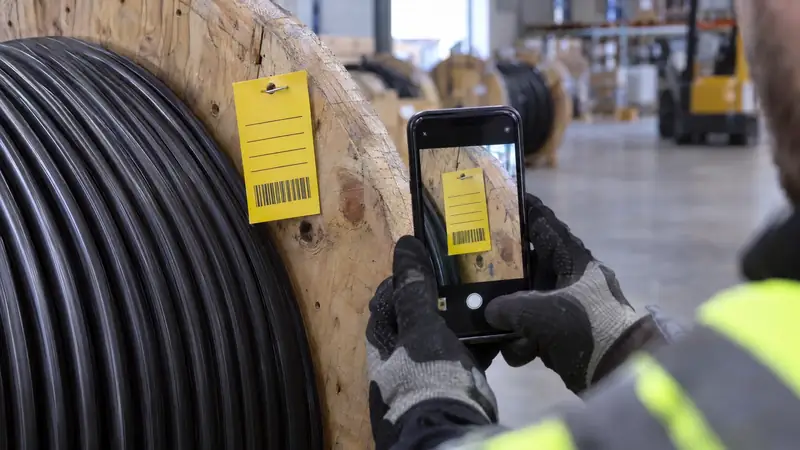
To understand how to sell surplus wire, start with photos, product identification and a footage list rather than stripping the insulation or weighing the lot as scrap. Ohio Wire Buyers reviews reusable surplus electrical wire and cable from Ohio businesses, provides a written offer before pickup, and confirms payment method and timing in writing before arranging collection.
How to sell surplus wire: the steps
The process starts with the material where it already sits. You do not need to deliver reels to an Ohio location; we have no Ohio office, yard or drop-off.
- Contact us. Use the offer form, call or email industrial832@gmail.com with your lot details. Identify your business and where the wire is located.
- Send the lot information. Include whole-lot photos, reel tags, jacket print, existing cut ends and a footage list or estimate.
- Answer review questions. We review what you send and reply with questions or a written offer before pickup.
- Confirm the written terms. Make sure you understand the offer, then confirm payment method and timing in writing before pickup.
- Arrange pickup. We arrange collection at your Ohio jobsite, warehouse, plant or yard. Share access and loading information.
- Check the count. At pickup, we check the count against the written terms. We verify the seller and ownership and keep a written purchase record.
The wire selling guides explain individual preparation tasks. The important thread is keeping the same material identifiable from the first photos through pickup.
What photos and details should you send?
Build a small record for each reel, box, coil or separate length. Give each item a simple identifier and use that identifier in its photos and footage entry. A handwritten lot sheet can work; clarity matters more than spreadsheet formatting.
| What to send | Why it matters |
|---|---|
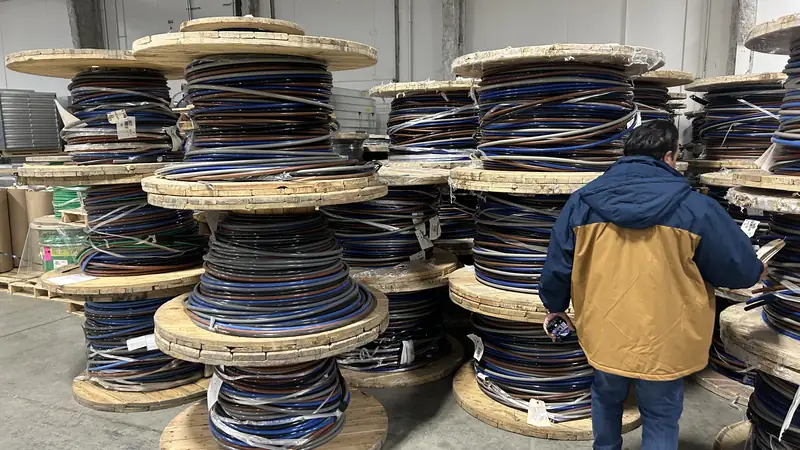
| Whole-lot photo with all packages visible | Establishes the scope of the request and helps reconcile the package count. |
| Readable reel tag or box label | Connects the item to its manufacturer, product description and original package information. |
| Close-up of the jacket print | Shows the marked wire or cable identity and ratings rather than relying on appearance. |
| Photos of existing cut ends | Show visible conductor construction and end condition; do not make a fresh cut solely for a photo. |
| Footage entry for each item | Separates known lengths from estimates and unknown quantities. |
| Photos of damage or missing protection | Bring torn jackets, broken flanges and exposed ends into the review early. |
| Business name, location and ownership documents | Identify the seller, support ownership verification and establish the pickup location. |
For framing and readable close-ups, use the wire photography guide. Keep labels attached: UL's application guide explains that wire surface markings supplement the certification label on the package, rather than replacing it.
What if a reel is partial or the footage is unknown?
Partial reels are part of what we buy. Identify them as partial, even when the original factory tag remains attached. That tag describes the original package; it does not establish how much remains after material has been pulled off.
Southwire's reel packaging information lists footage, product description, weights and manufacturing information among its tag fields. Our guide to reading a wire reel tag helps distinguish those fields from your current inventory notes.
If jacket footage marks are visible, photograph them and report the readings. If your quantity comes from a pull record or inventory system, identify that source. If it is a visual estimate, say so instead of presenting it as measured footage.
You can begin with an unknown quantity. We may reply with questions before making an offer. Review the methods for measuring wire left on a reel, but do not unwind heavy cable or disturb a damaged reel just to obtain a number.
Can a mixed lot include coils and cut lengths?
Yes. Reusable full reels, partial reels, boxed coils and cut lengths can be submitted together. Keep each product and separate length listed individually; a combined total does not show whether the material consists of continuous lengths or disconnected pieces.
Separate building wire from jacketed cable in your list. Record the markings you can read, conductor material if identified, color and packaging. For multiconductor cable, include the marked conductor count or a clear existing-end photo rather than guessing from the outside diameter.
The wire and cable categories we buy can help organize the lot. For material on spools, the guide to selling wire reels explains why keeping cable on its reel and preserving its identity is useful. Photograph unidentified items separately and mark them unknown.
How is used or decommissioned cable reviewed?
Used cable is considered only if it is still reusable. Send its available removal history, length information, readable markings and photos of the jacket and ends. Report known splices, repairs, heat exposure, water exposure or physical damage rather than leaving those details out.
Do not handle connected cable to prepare an offer. OSHA's electrical work-practice rule requires appropriate de-energization and lockout/tagout procedures, with a qualified person testing to verify the de-energized condition. Have qualified personnel handle disconnection and removal under the applicable safety procedures.
Photos help describe a lot, but do not establish that previously installed cable is suitable for another installation. If the wire is not reusable, we say so; a scrap metal recycler may be the right buyer. The surplus value versus scrap price guide explains the difference between selling usable product and recovering metal.
What should you confirm in the written offer?
A written offer comes before pickup, not after the reels have left your property. Read it against your lot sheet. Ask for clarification if you cannot tell which items are covered or how estimated footage is being treated.
Payment method and timing are confirmed in writing before pickup. Do not assume a particular method or that payment happens at a particular point. Resolve questions about the amount, quantities and pickup terms before collection is arranged.
If the lot changes after review, send an updated list and photos. Material pulled for another job, added reels or newly discovered damage should not remain hidden behind the original inventory description.
How do you document ownership?
Ohio Wire Buyers verifies the seller and proof of ownership and keeps a written record of each purchase. Supporting documents can include an invoice, purchase order, project closeout paperwork or a company letter.
Check who owns the surplus before offering it. Material stored at your jobsite may belong to the project owner, a distributor or another contractor. Identify the owning business and the person authorized to approve its sale; possession alone should not be treated as permission.
The Ohio wire seller paperwork guide helps you organize documentation. Keep the lot list, written offer, payment terms and purchase record together so your business can reconcile what left inventory.
What happens at an Ohio pickup?
We arrange pickup anywhere in Ohio at the seller's site. Provide the pickup address, site contact, receiving hours and access restrictions. Describe whether the reels are at a dock, inside a building or outdoors, and identify available loading equipment without assuming a particular truck or loading method.
Until collection, preserve labels and protective packaging. Southwire's handling guidance recommends indoor storage for building wire, sealed insulated-cable ends and keeping handling equipment from contacting the cable. Report damaged reels rather than moving them solely to stage a photograph.
At pickup, the count is checked against the written terms. Keep the identified lot separate from material you are retaining, and raise any discrepancy so it can be addressed against those terms. Our Ohio service area information explains statewide coverage without implying a local drop-off yard.
Ready to submit your lot? Request a written surplus-wire offer with photos and a footage list, or call 951-403-5738 to discuss what information to send.
Frequently asked questions
Can I start an offer request without an inventory spreadsheet?
Yes. Send photos of the whole lot and readable reel tags, then list what you know about each reel, coil or cut length. A plain-text list is useful if the entries clearly match the photos. Mark uncertain footage as an estimate or unknown. Ohio Wire Buyers reviews the information and replies with questions or a written offer before pickup.
Should I strip insulation before selling leftover wire?
Do not strip insulation or cut reusable lengths down to prepare them for a surplus-wire offer. Ohio Wire Buyers buys wire and cable as product for resale and reuse, not as scrap metal by the pound. Keep the jacket print, tags and packaging with the material. If the wire is not reusable, we say so; a scrap recycler may be the appropriate buyer.
Is there an Ohio location where I can drop off reels?
No. Ohio Wire Buyers has no Ohio street address, office or yard, and does not accept drop-offs. We arrange pickup at the seller's jobsite, warehouse, plant or yard anywhere in Ohio. Send the location and access details with your lot information, and confirm the written offer and payment terms before pickup arrangements are finalized.
Can I request an offer for cable with lugs still attached?
Send photos showing the cable markings, existing ends and attached lugs, along with each length and its removal history. Used cable is considered only if it remains reusable; attached lugs alone do not establish that. Have qualified personnel handle disconnection and removal under applicable electrical safety procedures. Do not cut off the ends just to make the lot look uniform.