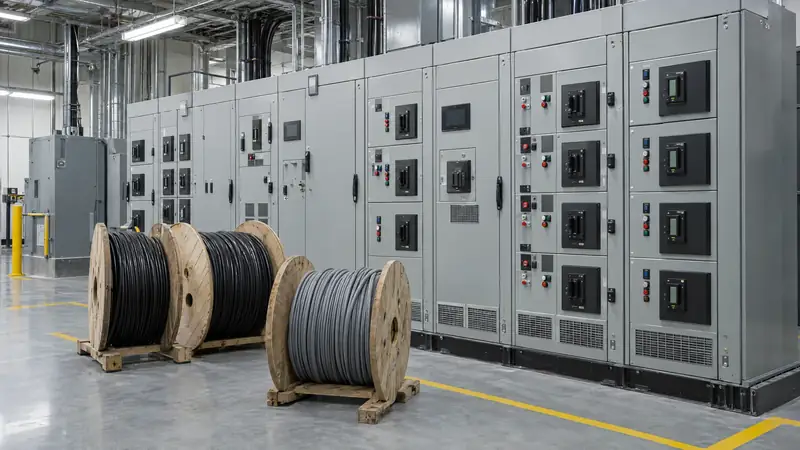
Ohio Wire Buyers buys reusable surplus electrical wire and cable from Ohio contractors, distributors, plants, utilities, solar and data center projects, facilities, and demolition or decommissioning firms. Who we buy surplus wire from depends on documented ownership and reusable condition, not simply the seller's industry.
Who we buy surplus wire from: businesses with usable inventory
Surplus can mean an unopened reel from a canceled order, a partial reel after a feeder pull, or spare cable no longer needed for a particular machine. We buy full reels, partial reels, boxed coils and cut lengths as product for resale and reuse, not as scrap metal by the pound. Used cable is considered only if still reusable.
Start with identification rather than weight. Our overview of the wire and cable we buy helps you sort a mixed lot before deciding which department or project team should supply the paperwork.
Contractors, builders and distributors: what became excess?
For electrical contractors with surplus job wire, the useful distinction is between untouched stock, leftover footage on a reel, and pieces removed from an installation. Label material from separate jobs so the footage estimate and purchase record stay connected. Do not shorten a usable length merely to make the pile easier to move.
General contractors and builders should resolve ownership with the electrical subcontractor and owner before listing material. Owner-furnished reels, subcontractor purchases and project closeout inventory may sit together without belonging to the same seller. Include the paperwork that identifies what your company can sell.
Electrical distributor overstock calls for an inventory-led approach: manufacturer, catalog number, reel count, remaining footage and whether a reel was returned or cut. A warehouse label is useful, but photograph the product tag and jacket too. Flag differences between the inventory system and the physical reel.
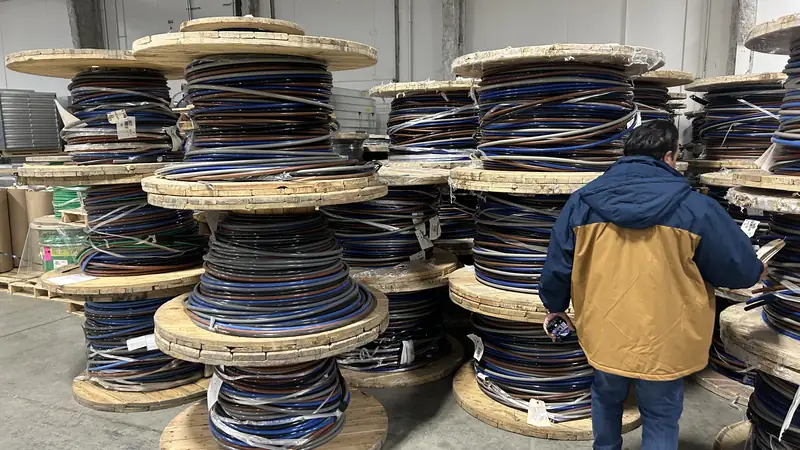
What should plants separate from maintenance reserves?
Manufacturing plant surplus wire should be separated from spares still needed for operating equipment. Have engineering or maintenance identify stock tied to retired machinery before treating it as excess. Tray cable deserves its own lot entry: Encore describes its power and control tray cable as a product for connecting industrial power devices.
Auto and EV plant cable surplus may involve construction overages or retooling leftovers. Keep contractor-owned reels separate from plant-owned stock, even when both occupy the same staging area. Oil, gas and chemical facilities should also retain any available specifications that identify specialized cable rather than grouping everything as generic black power cable.
Utilities and solar teams: identify the stock and the owner
Utilities and electric co-ops with surplus cable should distinguish stock released for sale from reserves still assigned to maintenance or emergency work. Preserve reel identifiers and manufacturer records. Confirm your organization's disposal approvals and seller authorization before arranging a transaction.
For solar project surplus wire, separate leftover wire from completed assemblies or previously installed cable. Identify the project owner, contractor or procurement company that owns each group. A closeout list is more useful when it ties the cable description to a specific reel instead of listing a single combined footage total.
Data centers and facilities: keep closeout lots traceable
Data center surplus cable should remain grouped by product and installation package. Do not combine power cable and communications cable under a description such as “server room wire.” Record part numbers and available footage, and explain whether the material is unused, installed but removed, or of uncertain history.
Hospitals, universities and other facilities should distinguish capital-project leftovers from maintenance storeroom stock. Building wire is not all interchangeable: Southwire identifies THHN/THWN-2 copper wire for commercial and industrial services, feeders and branch circuits. Preserve the actual markings instead of identifying a reel only by the building it came from.
When can a demolition firm sell removed cable for reuse?
Demolition and decommissioning sellers should describe continuous lengths, jacket damage, existing lugs and removal history. Photograph the condition before further handling. A readable legend supports identification; it does not, by itself, establish that used cable is fit for reuse.
Removal belongs with qualified personnel following applicable electrical safety procedures. OSHA's electrical work-practice requirements include isolation, lockout/tagout procedures and verification of the de-energized condition by a qualified person. Do not cut or expose conductors simply to obtain offer photographs. If the material is not reusable, we say so; a scrap metal recycler may be the appropriate buyer.
What should your business send for an offer?
Send whole-lot photos, readable reel tags, jacket print and safely accessible cut ends, together with a footage list or estimate. Assign a simple lot identifier to each reel or coil so photographs, ownership records and quantities correspond. Mark unknown footage as unknown instead of repeating the original factory length on a partial reel.
| Seller situation | Include with the photos | Question it helps resolve |
|---|---|---|
| Contractor closeout | Job reference, unused or removed status, remaining footage | Which lengths remain available? |
| Distributor inventory reduction | Catalog number, physical count, full or cut reel status | Does the stock list match the lot? |
| Plant or facility release | Maintenance review and ownership record | Is the stock surplus or still reserved? |
| Utility or project lot | Reel identifiers and seller authorization | Who owns and can release each group? |
| Decommissioned cable | Removal history, continuous lengths and damage notes | Is reuse worth evaluating? |
How does pickup work for business sellers?
We review your information and reply with questions or a written offer before pickup. Payment method and timing are confirmed in writing before pickup, and the count is checked against the written terms. We verify the seller and proof of ownership and keep a written record of each purchase.
Ohio Wire Buyers arranges pickup anywhere in Ohio at the seller's jobsite, warehouse, plant or yard; we have no Ohio street address or drop-off. Identify the site contact, loading access and any appointment requirements when you submit the lot.
To put your business's surplus up for review, request a written wire offer with photos and estimated footage, or call 951-403-5738. Keep the wire intact and the ownership records with the lot while we review it.
Frequently asked questions
Do you buy surplus cable from oil, gas and chemical businesses?
Yes. Ohio Wire Buyers reviews reusable surplus cable from these businesses, including unused project inventory and documented reusable removals. For an industrial lot, preserve jacket markings, reel tags and any available product specifications. Our oil, gas and chemical surplus cable page explains the details to include. Describe exposure or damage rather than assuming an industrial jacket makes every cable reusable.
Can several companies combine wire into one sale?
If material from different businesses shares a storage area, identify each owner before requesting an offer. Keep each company's footage list and ownership documents separate, and explain who is authorized to sell each part. Shared storage does not establish shared ownership. Ohio Wire Buyers verifies the seller and proof of ownership and keeps a written purchase record.
Can an employee sell wire left at a jobsite?
An employee should not assume leftover wire belongs to them because a project ended or the reel was left behind. The business that owns the material must authorize the sale and provide supporting records. An invoice, purchase order, closeout paperwork or company letter can help establish ownership; unresolved ownership needs clarification before a purchase.
Do you buy only copper wire from businesses?
No. Ohio Wire Buyers buys reusable surplus electrical wire and cable with copper or aluminum conductors. The material must be identifiable and suitable for resale and reuse. Include conductor material in the lot list when known, and send jacket-print and cut-end photographs when it is uncertain. We evaluate wire as product, not as scrap metal by the pound.