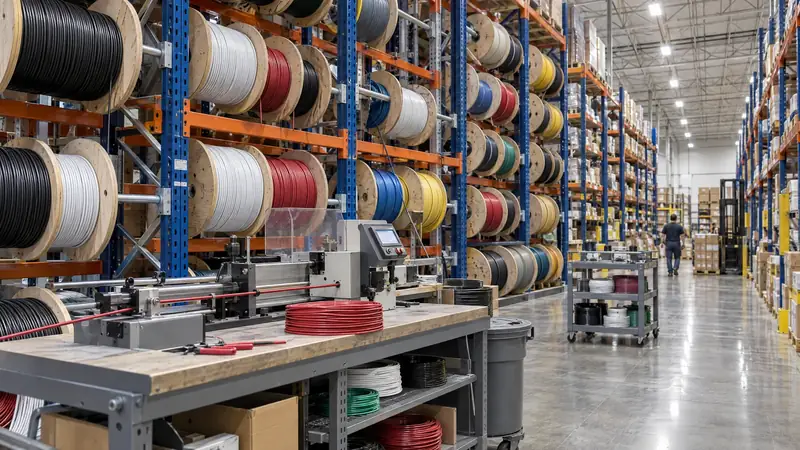
Ohio Wire Buyers is a surplus wire buyer purchasing reusable electrical wire and cable from businesses anywhere in Ohio, including project leftovers, canceled-order stock and excess warehouse inventory. Surplus wire buyers evaluate material as usable product rather than scrap metal by the pound; we review photos and footage, provide a written offer before pickup, and arrange collection at your location.
What makes electrical wire surplus rather than active stock?
Surplus is wire your business owns but no longer needs for its planned work. It can be a full reel ordered for a canceled project, a partial reel left after a feeder pull, or boxed coils made unnecessary by a change order. Over-ordering does not change the product's identity; it changes whether you have a use for it.
For a distributor, the issue may be inventory tied to an order that never shipped or stock that no longer fits its sales needs. Our distributor overstock page addresses those lots. Separate available material from customer-owned goods, consignment stock and reels reserved for open orders.
At a plant, maintenance, repair and operations stock may outlast the equipment it supported. A machine replacement can leave a storeroom with cable that no longer matches the facility's work. Before releasing plant surplus wire, have the responsible person distinguish necessary emergency spares from excess inventory.
How do surplus wire buyers evaluate a lot?
We look at what the wire is, how much remains, whether it is reusable and whether your business can document ownership. The wire and cable families we buy include building wire, power cable and control cable. A clear type designation matters more than a description such as “heavy copper.”
Conductor material, size, color, manufacturer identification and continuous footage help define the product. Packaging and condition matter too: a sound reel with its original label presents different questions from an unmarked coil. Demand for the identified product affects an offer; a large lot alone does not establish its value.
We do not reduce this review to copper weight. The difference between surplus value and scrap price is whether the buyer can use the wire as a finished product. Disclose uncertainties rather than assigning every item the description of the most clearly identified reel in the lot.
Does stored electrical wire expire?
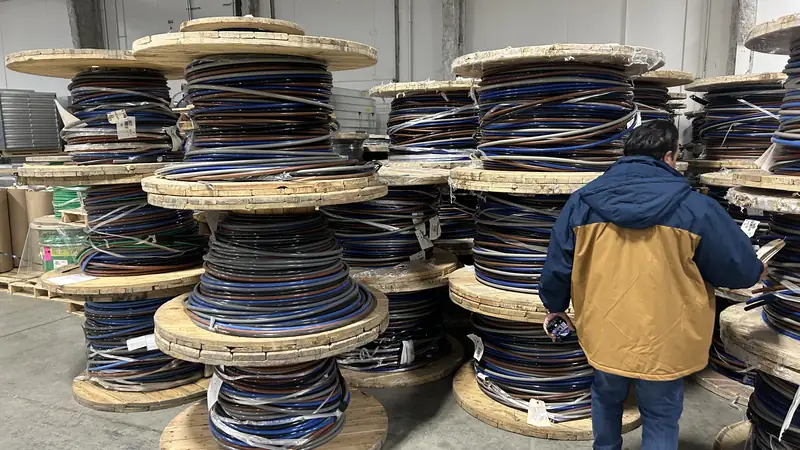
Age alone is not an automatic scrap decision. Southwire's shelf-life guidance says its industrial power cable products have no defined shelf life, provided they remain undamaged and protected from sunlight and precipitation during storage. That is conditional manufacturer guidance, not a promise that any old cable is usable.
Record the manufacturing date when available, where the cable was stored and whether its ends stayed sealed. Check for crushed jackets, chemical exposure and evidence of moisture. Do not treat an unopened wrapper as proof of proper storage or assume that unused means undamaged.
Age also differs from installation suitability under the applicable NEC edition and project specifications. The UL wire and cable guide explains that ratings and limitations require review of product and packaging markings. Keep original certification labels: jacket printing alone is not proof of UL coverage, and newer code editions do not turn an old tag into blanket approval for a new installation.
Why review outdoor inventory before an Ohio winter?
A review before winter gives you time to protect material and document its present condition. Ohio's winter-weather guidance warns about slippery surfaces and travel hazards. Photographing readable tags and accessible reels before snow or ice complicates access is a practical precaution, not a promise of pickup before a storm.
Prysmian recommends level, dry storage, preferably indoors, with reel flanges vertical. Its guidance also calls for resealing the exposed end after part of a cable is used. A damaged flange or unsealed end deserves attention even when the jacket looks intact.
Follow the cable manufacturer's storage and handling instructions rather than assuming every outdoor-rated product can be handled at any temperature. Keep reels away from standing water and equipment traffic. Our guide to storing wire reels through Ohio winters helps sellers consider protection while an offer is being reviewed.
Can full reels, partial reels and separate lengths be sold together?
Yes. We review new or unused full reels, partial reels, boxed coils and cut lengths as potential reusable inventory. Keep the categories separate in your list: a factory label may describe the original put-up, not what remains after several pulls.
For full and partial wire reels, note whether the original seal is intact, whether the reel has been used and whether the wire was transferred onto another spool. A transferred reel's old label may belong to an entirely different product. Photograph the actual wire markings as well as the reel.
Footage should describe each continuous piece, not just a combined total. If the remaining length is unknown, mark it as an estimate and explain its basis. The guide to measuring wire left on a reel covers ways to document footage without cutting usable cable into smaller pieces.
What should you send for a surplus inventory offer?
Make an entry for each reel or coil and give it a matching photo name. Use this lot-list template; replace the prompts with the actual markings and measurements. The footage column should say whether the figure is confirmed, estimated or unknown.
| Type | Size | Conductor | Color | Footage | Reel/coil | Tag photo Y/N |
|---|---|---|---|---|---|---|
| Building wire: copy type letters | Copy AWG or kcmil marking | Copper or aluminum, as identified | Insulation color | Remaining continuous length | Full or partial reel | Y or N |
| Jacketed cable: copy type designation | Conductor size and count | As identified on label or specifications | Outer jacket color | Each separate length | Reel or coil | Y or N |
| Unknown product | Copy any legible size marking | Unknown if unconfirmed | Visible color | Estimate with basis | Describe packaging | Y or N |
Send a whole-lot photo, close-ups of each tag, readable jacket print and accessible cut ends. Include damage photos instead of hiding suspect sections behind the reel. Our reel-tag reading guide explains which label details help distinguish similar-looking products.
Also identify stock that is excluded from the sale. Describe loading access, reel condition and available handling equipment so the material list and pickup plan refer to the same lot.
When is decommissioned cable still a reuse candidate?
Removed cable is different from unused overstock because its service and removal history matter. Tell us what it supplied, whether it was exposed to heat or chemicals, and whether it was pulled out intact. Only qualified people should disconnect and remove de-energized electrical cable.
Keep individual lengths identified and disclose splices, lugs, cuts and visible damage. Photos support an initial review; they cannot establish every hidden condition. Our decommissioned cable information explains the reusable-only distinction.
We verify the seller and proof of ownership and keep a written purchase record. An invoice, purchase order, closeout paperwork or company letter can support that review; see wire seller paperwork. If the wire is not reusable, we say so, and a scrap metal recycler may be the right buyer.
What happens after the inventory review?
After receiving the photos and footage list, we reply with questions or a written offer before pickup. Payment method and timing are confirmed in writing before pickup. We then arrange collection at your Ohio jobsite, warehouse, plant or yard and check the count against the written terms.
Ohio Wire Buyers has no Ohio street address or drop-off. Keep the offered lot identified and tell us if its count or condition changes. The selling process explains the sequence without assuming a pickup date or payment arrangement.
To put excess wire inventory up for review, request an offer for your surplus lot with its photos and footage list, or call 951-403-5738.
Frequently asked questions
Can I sell wire from a canceled purchase order?
Yes, if your business owns the wire and it remains reusable. Confirm that the order cancellation released the material from any customer commitment, then send the reel labels, condition photos and footage. Ohio Wire Buyers verifies the seller and proof of ownership before purchasing, so retain the invoice, purchase order or other supporting company paperwork.
Does an older manufacturing date make unused cable scrap?
Not automatically. Southwire states that its industrial power cable products have no defined shelf life when stored without damage and protected from weather. That statement is not a guarantee for every cable or storage history. Keep the original labels and disclose age, outdoor exposure and any damage so the lot can be reviewed for potential reuse.
Can I combine surplus from several jobs in one offer request?
Yes. Keep the jobs or storage locations identified and list each reel or coil separately. Do not combine disconnected lengths into a single continuous-footage claim. Photos should match the entries on your list, and your company should have ownership records for the material from each job. Identify any stock that is still reserved and unavailable for sale.
Should I strip insulation before contacting a surplus buyer?
No. Ohio Wire Buyers purchases reusable wire and cable as product, not scrap metal by the pound. Removing insulation destroys the original insulated product, and cutting it into short pieces can eliminate useful continuous lengths. Leave the wire on its reel or in its coil and send condition photos before making changes.
Where can I drop off surplus wire in Ohio?
Ohio Wire Buyers has no Ohio street address, office, yard or drop-off. We arrange pickup at the seller's jobsite, warehouse, plant or yard anywhere in Ohio. Send the material location and access information with your offer request. The written offer and payment method and timing are confirmed before pickup.