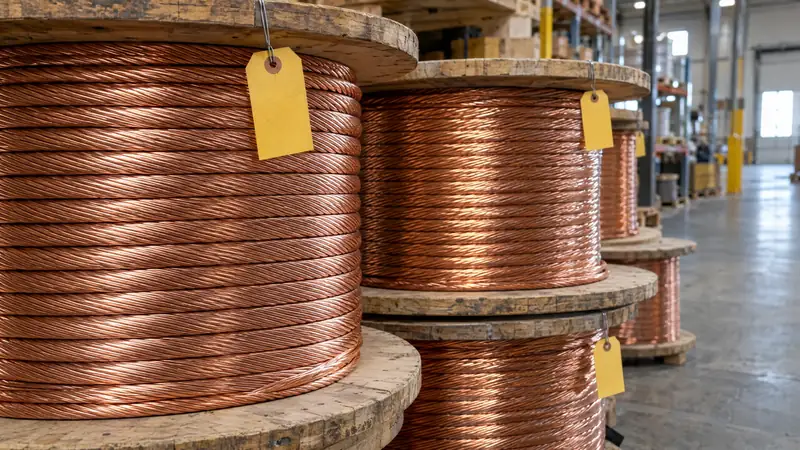
Ohio Wire Buyers buys reusable surplus bare copper conductor from businesses anywhere in Ohio, including unused full reels, partial reels and usable cut lengths. To sell bare copper wire, send the reel tags, conductor photos and remaining footage so we can review the lot as product for resale and reuse, not scrap metal by the pound.
What kind of bare copper conductor do you have?
Bare copper has no electrical insulation, so its identity rests heavily on the reel label and purchase records. Solid wire is a single conductor; stranded wire consists of multiple wires assembled together. Size alone does not tell us the temper, strand construction or whether the surface is tin-coated.
Manufacturers describe applications including grounding systems, jumpers and overhead transmission or distribution. Ground rings and grounding grids need identifiable conductor, not just a pile of copper with enough total weight. For a data center or solar closeout, separate grounding conductor from insulated power cable; surplus PV wire belongs on its own lot-list entry.
If the lot includes green insulated wire, keep it separate from bare copper. An identifiable reel of THHN/THWN-2 building wire is a different product. Our wire and cable buying categories help organize mixed inventories before review.
What do soft-drawn, hard-drawn and strand class mean?
Temper describes the copper's material condition, while strand class describes its construction. Do not substitute one for the other on your footage list. Southwire's bare-conductor specifications identify the following standards:
| Marking or description | What it identifies | Why preserve it for resale? |
|---|---|---|
| ASTM B3 | Soft or annealed copper wire | Distinguishes soft-drawn stock from harder tempers |
| ASTM B8 | Concentric-lay-stranded copper conductors | Identifies the stranded construction standard |
| Class A | A stranded design used for overhead applications | Keeps it distinct from more flexible grounding constructions |
| Classes B and C | More flexible stranded designs | Useful identification for grounds, jumpers and uninsulated connections |
| ASTM B1 | Hard-drawn copper wire | Establishes that the material is not soft-drawn |
| ASTM B2 | Medium-hard-drawn copper wire | Identifies an intermediate temper |
A reel marked Class B is not the same description as soft-drawn, even when both apply. Photograph the entire tag rather than sending only the size. If utility stock includes aluminum or steel-reinforced material, separate it for our overhead conductor review.
Is tinned copper reusable, or is it a lower scrap grade?
Tinned copper remains a copper product, but its surface carries a tin coating. ASTM B33 covers tin-coated soft or annealed copper wire for electrical purposes. Service Wire lists bare and tinned grounding conductor, so a silver-colored surface does not automatically identify aluminum or damaged copper.
Keep the coating description on the lot list. The Copper Development Association explains that grounding designers may select tinned copper because of soil conditions or interactions with other materials. Bare and tinned stock should therefore remain separate, even when their nominal sizes match.
Do not sand away the coating to chase a scrap designation. Send tag information and a close photograph of an existing cut end instead. If the tag is missing, describe the material as unconfirmed rather than asserting a temper or coating from appearance alone.
What does bare copper weigh per 1,000 feet?
Southwire SPEC 10080 documents sizes spanning 8 AWG through 1000 kcmil and beyond the smaller end of that range. These selected examples are approximate conductor weights from that manufacturer specification, not the gross weight of a loaded reel.
| Conductor size | Listed strand class | Approximate weight, lb per 1,000 ft |
|---|---|---|
| 8 AWG | B | 50 |
| 2 AWG | B | 204 |
| 4/0 AWG | A | 653 |
| 500 kcmil | B | 1,544 |
| 1000 kcmil | B | 3,088 |
Use the specification for the actual product when estimating footage; another construction can have different published data. Our copper weight reference explains the distinction between conductor weight and insulated cable weight.
Subtract the reel and packaging tare before converting weight to length. Bare wire has no jacket footage marks, making original labels, issue records and known cut lengths especially useful. If you lack a reliable tare or material identity, submit an estimate and explain the method rather than presenting it as measured footage. See measuring wire left on a reel.
Which condition details affect a reusable-wire offer?
Continuous length matters. Keep each partial reel intact, secure loose ends and list separate coils individually. Combining unrelated pieces into a tangled bundle makes it harder to establish usable lengths and construction.
Photograph flattened areas, sharp kinks, loose strands, damaged reel flanges and any joints. Tell us whether the lot is unused surplus or recovered material. For used conductor, describe its previous service and removal method, including whether it was buried or retained connectors.
Discoloration alone does not answer the reuse question. Brown surface color, green deposits, deep pitting and heat damage are different observations; document what is present without polishing it away. Avoid aggressive straightening or rewinding merely for appearance, and do not hide damaged sections beneath a clean outer winding.
How does reusable bare copper differ from bare-bright scrap?
The ISRI scrap circular describes Barley, commonly called bare bright, as bare, uncoated, unalloyed copper wire. That is a scrap trading description. It does not identify the conductor's ASTM construction, usable footage or suitability for another electrical installation.
Ohio Wire Buyers evaluates identifiable wire as reusable product. A labeled partial reel can retain that identity even when it is not shiny; clean short clippings may still have no practical resale use. Tinned conductor also differs from an uncoated scrap category without ceasing to be a potentially useful electrical product.
There is no universal promise that every reel will receive a reuse offer. When wire is not reusable, we say so, and a scrap metal recycler may be the right buyer. Our surplus-versus-scrap guide explains the different valuation approaches without equating copper market quotes with product offers.
What should you send to sell bare copper wire?
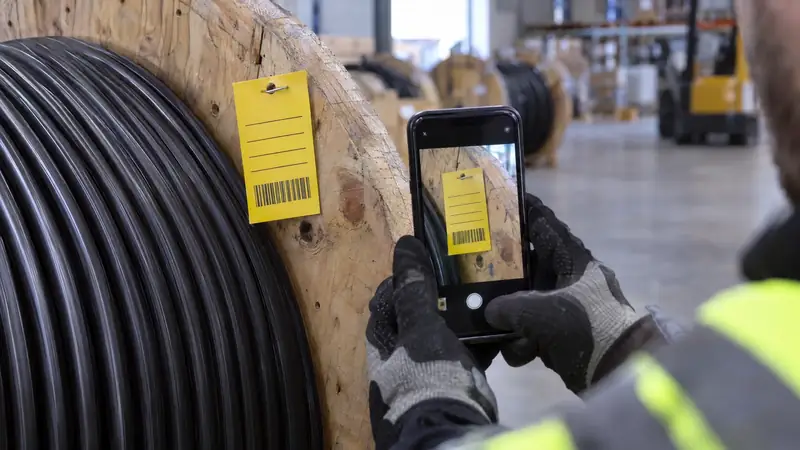
Start with a whole-lot photo, then photograph each reel or coil and its tag. Because there is no jacket print, the information on a wire reel tag is particularly important. Include the manufacturer, size, temper, strand class, coating and footage wherever the records establish them.
Send close-ups of accessible cut ends and visible defects. Keep measured lengths separate from estimated lengths, and identify spliced pieces rather than reporting them as one uninterrupted run. Include an invoice, purchase order, closeout paperwork or company letter to support ownership verification.
Also tell us where the material sits and whether loading equipment is available. A clear lot list lets us ask specific questions instead of guessing from a photograph of copper-colored windings.
How are the written offer and Ohio pickup handled?
We review your information and reply with questions or a written offer before pickup. Payment method and timing are confirmed in writing before pickup, and we keep a written purchase record. The count is checked against the written terms when the material is collected; our selling process explains those steps.
Ohio Wire Buyers arranges pickup at the seller's jobsite, warehouse, plant or yard anywhere in Ohio. We arrange collection rather than accepting seller deliveries. Leave installed grounding connected unless qualified personnel have confirmed that disconnection is safe and authorized.
For a review of your bare copper reels or coils, request a written offer with tag photos and footage, or call 951-403-5738.
Frequently asked questions
Can I sell a partial reel of bare copper ground wire?
Yes. Ohio Wire Buyers reviews partial reels when the conductor remains reusable. Send the original tag, photos of the winding and cut end, and the remaining footage or an honest estimate. Identify the size, temper and strand class if known. We may ask follow-up questions before issuing a written offer; a partial reel is not automatically scrap.
Is silver-colored grounding wire always aluminum?
No. Tin-coated copper can have a silver-colored surface while the underlying conductor is copper. A color photo alone cannot establish its identity. Send the manufacturer tag or purchase description along with a close photograph of an existing cut end. Keep suspected tinned copper separate from aluminum and avoid removing its coating just to make it look bright.
Should I polish bare copper before asking for an offer?
No. Leave the conductor in its current condition and send clear photographs. Appearance alone does not establish whether wire is reusable, and polishing can hide useful evidence about storage or damage. Tell us about discoloration, deposits, contamination or heat exposure. Keep the tags and usable lengths intact rather than preparing the lot for a scrap grade.
Does a scrap bare-bright designation prove the wire is reusable?
No. Bare bright describes a copper scrap category, not a grounding-conductor specification or installation approval. Reuse depends on identifiable construction, usable continuous length, condition and documentation. Clean copper pieces can meet a recycler's grade but still be unsuitable for resale as wire. Conversely, documented tinned conductor may be reusable even though its coating excludes it from an uncoated bare-bright category.
Can you review bare copper removed from an old installation?
We review used conductor only if it is still reusable. Explain its former service, how it was removed, its continuous lengths and any retained joints, lugs or damage. Material removed from buried grounding systems needs more information than unused warehouse stock. Confirm ownership and have qualified personnel handle any electrical disconnection; our purchase review does not certify the conductor for a new installation.
Sources and further reading
- Southwire SPEC 10080: Bare Copper Solid or Compressed
- Southwire SPEC 80150: Bare Copper Wire and Cable
- ASTM B33: Tin-Coated Soft or Annealed Copper Wire
- Service Wire: Stranded Bare or Tinned Copper Conductor
- ISRI Scrap Specifications Circular 2022: Nonferrous Scrap
- Copper Development Association: Grounding with Copper, Tinning vs. Non-tinning