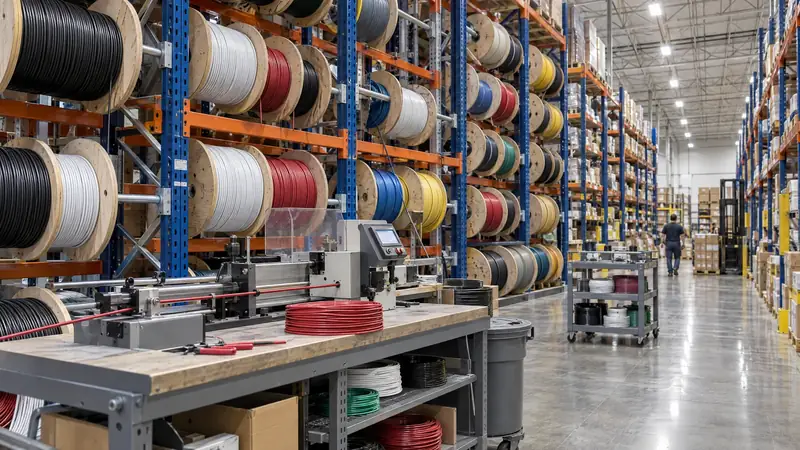
Ohio Wire Buyers buys reusable distributor overstock wire and cable from electrical supply houses anywhere in Ohio, including unused full reels, partial reels, boxed coils and reusable cut lengths. We buy the material as product for resale and reuse, not as scrap metal by the pound, and provide a written offer before arranging warehouse pickup.
When does distributor overstock wire become worth selling?
Start with stock that no longer has a clear purpose at the branch: cancelled project orders, slow-moving SKUs, discontinued stocking colors, cut-reel remnants or material left after a branch consolidation. A year-end inventory review is also a practical time to distinguish stock worth retaining from material you want reviewed for sale.
Do not equate an inventory status with a physical defect. A reel marked dead stock may simply lack a matching customer order, while a recent customer return may have uncertain footage or damaged insulation. Describe why the material is surplus separately from what condition it is in.
Reserve customer commitments, service stock and material awaiting a credit decision before building the sale list. Ohio Wire Buyers works with businesses selling surplus wire, so the lot should contain company-owned material that an authorized seller can release.
How should a supply house divide a bulk wire lot?
Group material by product identity first, then packaging and condition. Keep manufacturer part numbers alongside internal SKUs; a branch description such as black feeder does not identify the conductor material or insulation type. A mixed lot needs enough detail to evaluate its separate products.
| Inventory group | What to establish | Keep separate from |
|---|---|---|
| Factory full reels | Original label, stated footage and evidence the reel has not been cut | Open or partially used reels |
| Cut-reel remnants | Remaining continuous length and how it was measured | Totals assembled from separate pieces |
| Customer-returned reels | Return reason, condition inspection and current footage | Untouched warehouse stock |
| Boxed coils | Product label, package condition and whether the coil was opened | Unidentified loose coils |
| Discontinued branch SKUs | Manufacturer identity and actual marked product type | Assumptions based on an old catalog description |
| Consolidation inventory | Physical branch location and seller authorization | Material still allocated to orders |
For example, organize THHN/THWN-2 building wire separately from XHHW-2 feeder wire, even when both appear under similar branch descriptions. Keep metal-clad cable identified as a cable assembly rather than reducing it to a conductor-size entry.
Why do original reel labels matter after a stock transfer?
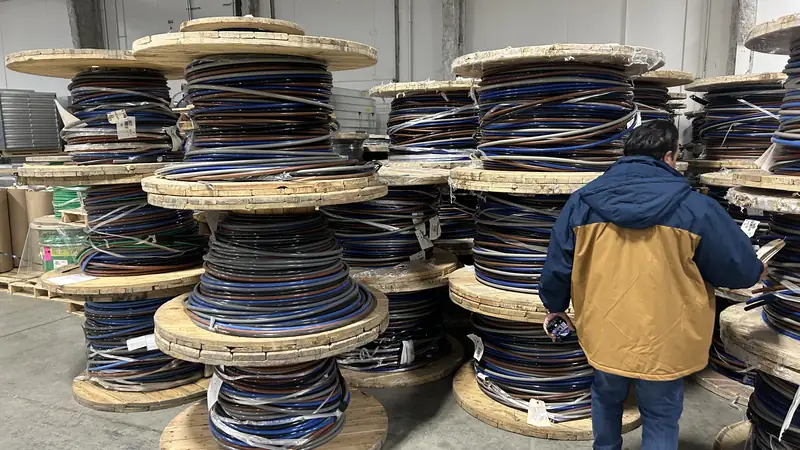
A transfer between branches can leave a reel carrying several internal labels. Photograph the manufacturer label as well as the transfer sticker, and check that the jacket legend agrees with the inventory record. Leave original identification attached when staging material.
The UL Solutions wire and cable guide explains that the UL Mark on the coil, reel, flange or box identifies wire covered by its certification and follow-up services. A UL symbol printed on the wire is supplemental identification, not evidence of coverage by itself. Preserving packaging therefore matters beyond keeping the warehouse barcode readable.
If wire was re-reeled, disclose that and retain the original records where available. Do not move a label from an unrelated reel to make a remnant look complete. Our guide to reading a wire reel tag explains which identification fields to capture.
Can returned reels and cut remnants still be reusable?
Yes, but returned does not mean unused, and unused does not automatically mean returnable. Record whether the return followed a cancelled order, a wrong product selection, an attempted pull or a reported defect. Material returned for a suspected electrical or mechanical problem needs that concern disclosed, not blended into clean stock.
Return restrictions also vary. USESI's published customer return policy excludes credit for cut wire and made-to-order material. That is a policy example, not a rule for your supplier account; check the actual terms before planning a return or sale.
For remnants, list each continuous piece instead of reporting a combined footage total that could imply an unbroken run. An original reel label may describe the initial put-up, not what remains. Use methods for measuring wire left on a reel and clearly label estimates.
What should a distributor send for an offer?
Send a branch-level lot list with manufacturer, manufacturer part number, internal SKU, marked wire type, size, conductor material, color, footage and package count. For cable assemblies, include conductor count and any shield or armor description supported by the label. Add a condition column distinguishing unopened, partial, customer-returned and re-reeled material.
Use a temporary lot identifier on each spreadsheet row and match it to the photographs. Capture the whole lot, original reel tags, readable jacket print, accessible cut ends and any damaged packaging. Photograph contrasting labels or inventory discrepancies rather than silently choosing whichever entry appears correct.
Explain how footage was established, where the stock sits and whether the offer request covers the entire lot or selected groups. Identify any items excluded from sale. If consolidation is underway, keep the physical branch location current so a transfer does not invalidate the pickup list.
How should pricing-sensitive records be handled?
Product specifications and sellable quantities are more useful for initial review than customer names, negotiated sell prices or margin reports. Build a sale list around the material rather than forwarding a complete customer-order history. Do not obscure original product identification while removing unrelated commercial details.
If confidentiality is a condition of proceeding, raise it before sending sensitive records and ask for written terms. Do not assume an NDA, anonymous resale arrangement or restriction on future buyers applies. Ownership still needs verification through an invoice, purchase order, closeout paperwork or company letter; our seller paperwork guide explains the purpose of those records.
Book value and the original purchase price do not determine resale value. Usable length, product identity, condition, documentation and demand matter. The distinction between surplus product value and scrap price helps explain why stripping reusable wire is not the starting point.
Should older warehouse cable be scrapped automatically?
No. Age alone is not a complete condition assessment. Southwire's shelf-life guidance states that its industrial power cable products have no defined shelf life when protected from weather and storage or handling damage. That statement should not be extended into a guarantee for every cable in your warehouse.
Inspect exposed jackets, reel flanges, packaging and accessible ends, and disclose outdoor storage or known damage. Keep questionable material separate from clean inventory. If wire is not reusable, Ohio Wire Buyers says so; a scrap metal recycler may be the appropriate buyer.
What needs to be settled before warehouse pickup?
Identify the releasing contact, warehouse access requirements, loading equipment and whether the lot is staged at a dock or elsewhere. Do not dismantle racks or move heavy reels without appropriate equipment and qualified personnel. We arrange pickup at the seller's warehouse, plant, jobsite or yard anywhere in Ohio.
We review the information and respond with questions or a written offer. Payment method and timing are confirmed in writing before pickup, and the count is checked against the written terms. Review how the selling process works before scheduling an inventory release.
To sell your branch's reusable overstock, request an offer for the identified wire lot or call 951-403-5738. Send the lot list and label photos before cutting down reels or sending usable cable to scrap.
Frequently asked questions
Can I sell wire that has been discontinued in our branch catalog?
A discontinued branch SKU may still represent reusable wire. Send the original manufacturer part number, reel label, jacket markings, footage and condition notes. Explain whether the branch stopped stocking it or the manufacturer discontinued the product. Those are different situations, and neither label alone establishes whether the wire is suitable for resale.
Should I remove customer names from a surplus inventory spreadsheet?
For the initial lot description, focus on product identity, quantity and condition rather than customer names or margin history. Ownership verification still requires appropriate supporting records. If confidentiality is a condition of the sale, raise that requirement before sharing sensitive documents and ask for written terms rather than assuming an agreement applies.
Can several Ohio branches combine wire into one sale?
You can submit material from several Ohio branches for review, but identify the seller, physical pickup location and lot contents for each branch. Do not combine footage across locations without showing where each reel sits. Ohio Wire Buyers arranges pickup anywhere in Ohio; the proposed lot and pickup arrangements need to be defined in the written terms.
Do inventory write-downs determine what a wire buyer will offer?
An accounting write-down describes how your business carries the stock, not the wire's physical condition or remaining use. An offer depends on the identified product, usable footage, packaging, documentation, condition and demand. Send the product details even if the branch has already classified the inventory as slow-moving or dead stock.